How to Identify the Perfect Blower Housing for Your Air Conditioner
Understanding the Role of Blower Housing in HVAC Systems
What is Blower Housing?
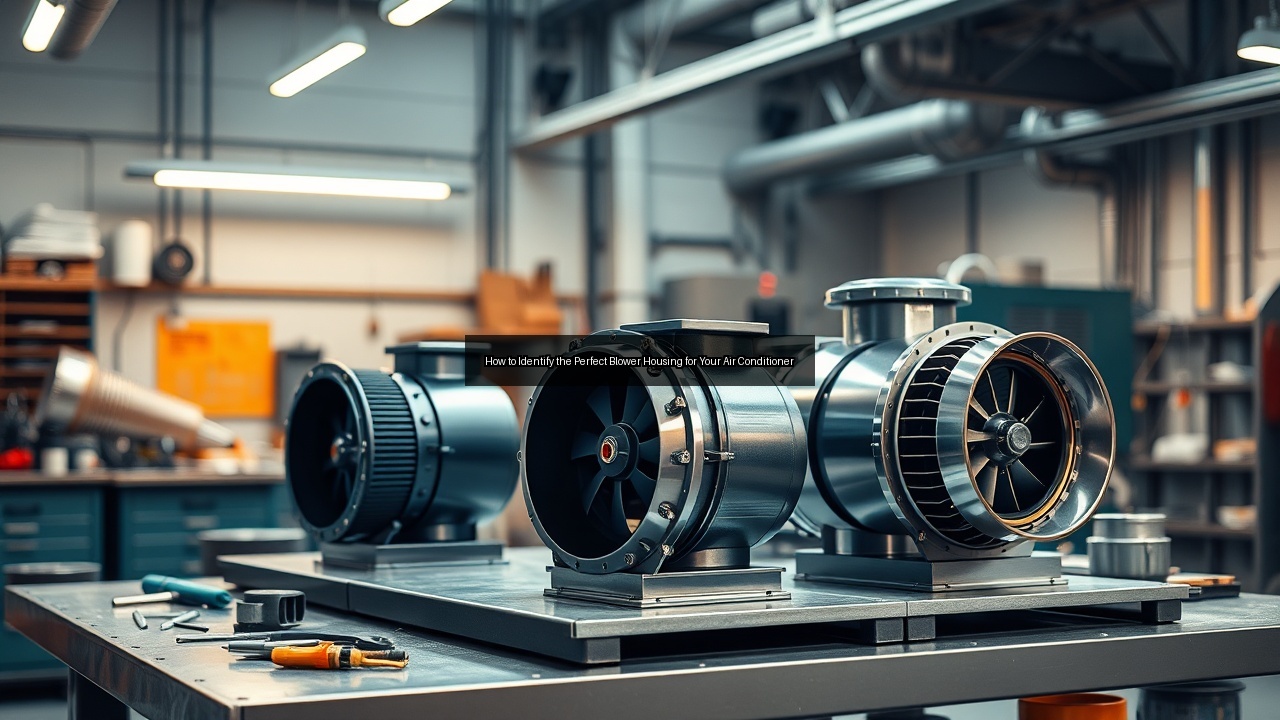
Blower housing is a vital component within HVAC systems, particularly in air conditioners and furnaces. It encloses the blower fan and motor, facilitating the efficient movement of air throughout the system. The design and materials used in blower housing directly influence airflow, noise levels, and energy efficiency. Typically made from durable metals or high-quality plastics, blower housings ensure that the internal components remain protected from dust, moisture, and other environmental factors. Understanding this part’s function helps in selecting the right one for your specific HVAC needs, enhancing overall system performance.
Importance of Blower Housing in Air Conditioners
Blower housing plays a critical role in the operation of air conditioners. The housing ensures that the blower fan operates efficiently, drawing in air and pushing it through the air filter and evaporator coils before circulating it back into your space. A well-designed blower housing minimizes air resistance, which improves airflow and reduces energy consumption. Moreover, it contributes to noise reduction, enhancing comfort during operation. When the blower housing malfunctions, it can lead to inadequate cooling, increased energy bills, and premature wear on other components. Therefore, recognizing its importance in HVAC systems can help homeowners maintain optimal performance.
Components of a Blower Housing Assembly
A blower housing assembly consists of several key components that work together to manage airflow in HVAC systems. These components include the blower fan itself, which is responsible for air movement, and the motor that powers the fan. Additionally, the assembly often includes a motor mounting bracket, ball bearings, and sometimes a fan cage to protect the blades. The design of the blower housing must accommodate these components while ensuring efficient airflow. A complete understanding of each part's role will aid in diagnosing issues and selecting the right replacement or upgrade when necessary.
Choosing the Right Blower Housing for Your Air Conditioner
Factors to Consider When Selecting Blower Housing
When selecting the ideal blower housing for your air conditioner, several factors should guide your decision. First, consider the size and airflow requirements of your HVAC system. The blower housing must fit the blower fan and motor snugly while providing ample space for air to flow freely. Next, evaluate the material quality; durable materials can withstand heat and moisture better, leading to a longer lifespan. Additionally, noise levels are crucial. Some blower housings are specifically designed to minimize operational noise, which can significantly enhance comfort. Lastly, check for compatibility with existing components to ensure seamless installation and optimal performance.
OEM vs. Aftermarket Blower Housings
Choosing between OEM (Original Equipment Manufacturer) and aftermarket blower housings is essential in determining the longevity and efficiency of your HVAC system. OEM parts are specifically designed for particular models, ensuring perfect compatibility and performance. They often come with better warranties and support from the manufacturer, providing peace of mind. On the other hand, aftermarket options can be more affordable and may offer improved features, such as enhanced airflow or noise reduction. However, it's crucial to research the brand and quality of aftermarket products, as not all options meet the same standards as OEM parts. Weighing the pros and cons of each will help you make an informed decision.
Understanding Compatibility with HVAC Systems
Compatibility is a critical consideration when selecting a blower housing for your HVAC system. Each air conditioner or furnace model has specific requirements, and using an incompatible blower housing can lead to inefficient operation or even damage to your system. Always refer to your unit’s manual for specifications regarding blower housing dimensions and performance ratings. Check whether the blower fan and motor match the housing's design. Additionally, factors like voltage and airflow capacity play significant roles in ensuring compatibility with your HVAC system. Consulting with a professional can provide valuable insights into the best options for your specific needs.
Maintenance and Troubleshooting of Blower Housings
Common Issues with Blower Fans and Motors
Blower fans and motors can encounter various issues that affect the performance of your HVAC system. One common problem is noise, which might indicate that the blower fan is out of balance or that the ball bearings are worn out. Insufficient airflow could result from a clogged air filter or debris accumulation within the blower housing. Additionally, overheating may occur due to a malfunctioning motor or inadequate air circulation. Regularly inspecting and maintaining these components can prevent many of these issues, leading to a more efficient HVAC system and prolonging the life of your blower housing assembly.
How Ball Bearings Affect Blower Performance
Ball bearings play a crucial role in the performance of blower fans within HVAC systems. They support the rotating shaft of the blower motor and minimize friction, allowing the fan to operate smoothly. When ball bearings wear out or become damaged, they can cause the blower fan to wobble, leading to excessive noise and reduced airflow. This can also put additional strain on the motor, increasing energy consumption and the risk of failure. Regularly checking the condition of ball bearings and replacing them when necessary can significantly improve the performance and longevity of your blower housing assembly.
Tips for Maintaining Air Filters and Blower Systems
Maintaining air filters and blower systems is essential for optimal HVAC performance. Regularly replacing or cleaning air filters prevents dust and debris from accumulating, ensuring unobstructed airflow. A clean filter promotes better indoor air quality and enhances the efficiency of the blower fan. Additionally, inspect the blower housing for any signs of wear or damage. Keeping the area around the blower housing clear of obstructions allows for better airflow and prevents overheating. Scheduling routine professional maintenance can also help identify potential issues early, saving you from costly repairs and extending the life of your HVAC system.
Evaluating Brands and Warranty Options for Blower Housings
Top Brands for HVAC Blower Housings
Choosing a reputable brand for your HVAC blower housing can significantly impact your system's performance and reliability. Some of the top brands known for producing high-quality blower housings include Trane, Carrier, Lennox, and Goodman. These manufacturers offer blower housings designed specifically for their systems, ensuring compatibility and efficiency. Additionally, many of these brands provide excellent customer support and resources to help with installation and maintenance. Researching brand reputation and customer feedback can help you make a well-informed choice that guarantees you a dependable and efficient HVAC system.
What to Look for in Warranty Coverage
Warranty coverage is an essential aspect of selecting a blower housing for your HVAC system. A good warranty not only protects your investment but also reflects the manufacturer's confidence in their product's quality. Look for warranties that cover parts and labor, as well as those that have a duration of at least five years. Some manufacturers may offer extended warranties for additional coverage at a reasonable cost. Always read the fine print to understand what is included and any limitations that may apply. Comprehensive warranty options can provide peace of mind and safeguard against future repair expenses.
Gathering Feedback on Blower Housing Performance
Gathering feedback on blower housing performance plays a crucial role in making informed purchasing decisions. Customer reviews and testimonials can provide insights into the product's reliability, efficiency, and overall satisfaction. Online forums, HVAC blogs, and social media platforms often feature discussions and experiences shared by other users. Look for feedback regarding specific brands and models, focusing on aspects like installation ease, noise levels, and durability. Engaging with HVAC professionals can also yield valuable advice and recommendations. This collective information can guide you towards the best blower housing for your air conditioning needs, ensuring optimal performance for years to come.