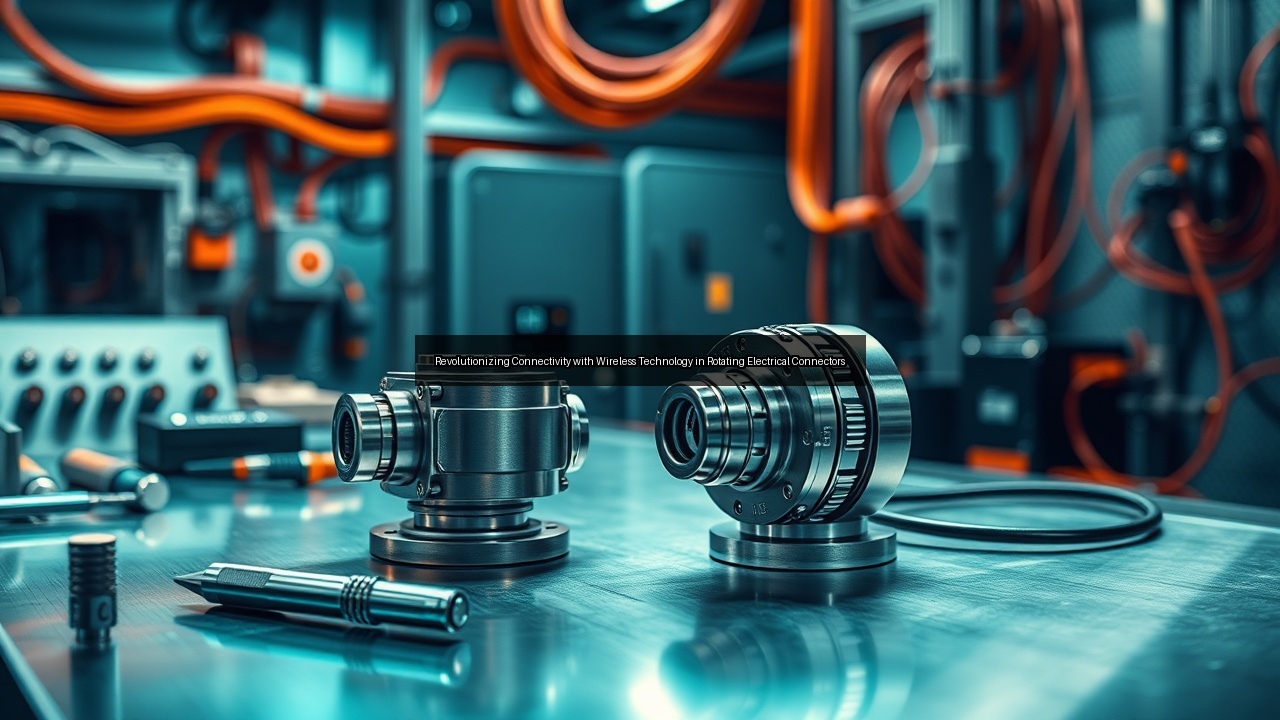
Revolutionizing Connectivity with Wireless Technology in Rotating Electrical Connectors
The Evolution of Rotating Electrical Connectors
Historical Overview of Electrical Connectors
The journey of electrical connectors traces back to the early days of electricity, when engineers sought effective ways to transmit power and data. The earliest connectors, often rudimentary, relied on mechanical joints to facilitate connections between wires. However, as technology advanced, the demand for more reliable and efficient connections grew. This need gave rise to various types of electrical connectors, including the rotating electrical connector. These connectors allow for uninterrupted electrical flow while enabling movement, making them essential in applications such as robotics, wind turbines, and even amusement park rides.
Key Innovations in Rotating Connectors
Rotating electrical connectors have undergone significant innovations that enhance their functionality and reliability. A pivotal advancement includes the development of slip rings, which allow for the transmission of power and signals through a rotating interface. These slip rings facilitate continuous electrical connections while accommodating rotational movement. Additionally, advancements in materials have improved the durability and efficiency of these connectors. With enhanced designs, modern rotating electrical connectors can withstand harsh environments and high voltage applications, ensuring safety and longevity in demanding conditions.
The Role of Slip Rings in Modern Connectivity
Slip rings serve as the backbone of modern rotating electrical connectors, enabling seamless transitions of electrical currents between stationary and rotating parts. These devices consist of conductive rings and brushes that maintain contact while allowing rotation. The integration of slip rings significantly enhances the speed and efficiency of electrical transmission, accommodating high voltage applications without compromising performance. Industries that rely on heavy machinery and robotics benefit immensely from this technology, as slip rings facilitate reliable communication and power transfer, thereby improving overall operational efficiency. Their critical role in modern connectivity cannot be overstated, as they pave the way for innovations in automated systems and advanced machinery.
Integrating Wireless Technology with Rotating Electrical Connectors
Benefits of Wireless Connectivity
Integrating wireless technology with rotating electrical connectors presents numerous advantages. Wireless connectivity eliminates the need for physical wiring, reducing wear and tear on connectors during movement. This innovation enhances flexibility in design and allows for easier installation in complex environments. Furthermore, wireless systems can simplify maintenance, as there are fewer components that may require regular checks or replacements. Enhanced mobility and the potential for real-time data transmission significantly benefit industries such as aerospace, automotive, and telecommunications, where reliable connectivity is paramount. Overall, wireless technology complements the functionality of rotating electrical connectors, driving efficiency and innovation across multiple sectors.
Challenges in Implementing Wireless Technology
Despite the numerous benefits, integrating wireless technology into rotating electrical connectors poses several challenges. Signal interference remains a significant concern, especially in environments with numerous electronic devices. Ensuring a stable and reliable connection requires advanced technologies that can mitigate potential disruptions. Additionally, power consumption becomes a critical factor, as wireless systems often rely on batteries or other power sources that may limit operational time. Engineers must also consider the physical limitations of wireless transmission, particularly in applications that require high-speed data transfer or high voltage operations. Addressing these challenges is essential for the successful deployment of wireless rotating electrical connectors in various industries.
Case Studies of Successful Wireless Rotating Connectors
Several case studies illustrate the successful integration of wireless technology in rotating electrical connectors. One notable example involves an aerospace company that implemented wireless slip rings in their aircraft systems. This innovation allowed for uninterrupted data transfer between moving parts, enhancing the reliability of flight control systems. Another case study features a robotics manufacturer that adopted wireless connectors in its robotic arms, resulting in increased flexibility and reduced maintenance costs. These examples demonstrate how wireless technology can transform traditional rotating electrical connectors, leading to improved efficiency and reliability in critical applications. As more industries recognize these advantages, the demand for wireless rotating electrical connectors will likely continue to grow.
Performance Factors in Rotating Electrical Connectors
Speed and Efficiency in Electrical Transmission
Speed and efficiency stand as paramount factors in the performance of rotating electrical connectors. The design of these connectors directly influences their ability to transmit electrical currents swiftly and effectively. High-quality materials, such as gold or silver plating, enhance conductivity while minimizing resistance, which is crucial in high-speed applications. Additionally, the engineering of the connectors must ensure minimal friction between moving parts to reduce wear and enhance longevity. Engineers focus on optimizing designs to deliver maximum efficiency, especially in systems requiring rapid data transmission. As industries evolve, the demand for faster and more efficient rotating electrical connectors continues to rise, driving innovation in their design and manufacturing.
Managing High Voltage Applications
Many industries depend on rotating electrical connectors for high voltage applications, necessitating careful design and engineering. These connectors must ensure safety while maintaining performance under significant electrical loads. Advanced insulation materials play a vital role in preventing electrical arcing and ensuring that connectors can handle high voltage without failure. Engineers employ rigorous testing to guarantee that the connectors can withstand extreme conditions and provide reliable performance. With the push for renewable energy sources, such as wind and solar, the demand for high-performance rotating electrical connectors in high voltage applications is expected to grow, leading to innovations that improve safety and efficiency.
The Importance of Linear Taper in Design
Linear taper in the design of rotating electrical connectors contributes significantly to their overall performance. This feature ensures that the electrical resistance remains consistent throughout the rotation, minimizing signal loss and enhancing reliability. A well-designed linear taper allows for smooth transitions in electrical flow, which is essential in applications requiring consistent power delivery. Engineers pay close attention to this aspect during the design phase, ensuring that the connectors can handle varying loads without compromising performance. As industries increasingly rely on precision and stability, the importance of linear taper in rotating electrical connectors will only grow, driving advancements in connector design and manufacturing.
Future Trends in Rotating Electrical Connectors
Emerging Technologies and Materials
The future of rotating electrical connectors lies in emerging technologies and advanced materials. Innovations such as graphene and carbon nanotubes show promise in enhancing conductivity and strength while reducing weight. These materials can revolutionize the design and performance of connectors, allowing for more compact and efficient solutions. Furthermore, developments in smart technology and IoT integration will shape the next generation of rotating electrical connectors. These advancements will improve monitoring and control capabilities, enabling real-time data analysis and enhancing system performance. As industries continue to evolve, staying at the forefront of these technological advancements will be crucial for manufacturers of rotating electrical connectors.
The Impact of Adapters on Connectivity
Adapters play a critical role in ensuring compatibility and functionality in rotating electrical connectors. As technology evolves, the need for versatile connectors that can interface with various systems becomes increasingly important. Adapters facilitate seamless connections between different devices, enhancing the flexibility of rotating electrical connectors across multiple applications. This adaptability allows industries to integrate new technologies without overhauling existing systems. The continued development of innovative adapters will drive improvements in connectivity, ensuring that rotating electrical connectors remain relevant and effective in an ever-changing technological landscape.
Predictions for Wireless Advancements in Rotary Electrical Contacts
Looking ahead, the integration of wireless technology in rotary electrical contacts is poised for significant advancements. Innovations in wireless communication protocols will enhance the reliability and speed of data transmission, making wireless rotating electrical connectors increasingly viable for high-performance applications. Additionally, as energy harvesting technologies improve, the potential for self-powered wireless connectors becomes a reality, paving the way for even greater flexibility and efficiency. The continued focus on sustainability and reduced environmental impact will drive the demand for these advanced solutions, ensuring that the future of rotating electrical connectors remains bright and filled with possibilities.